

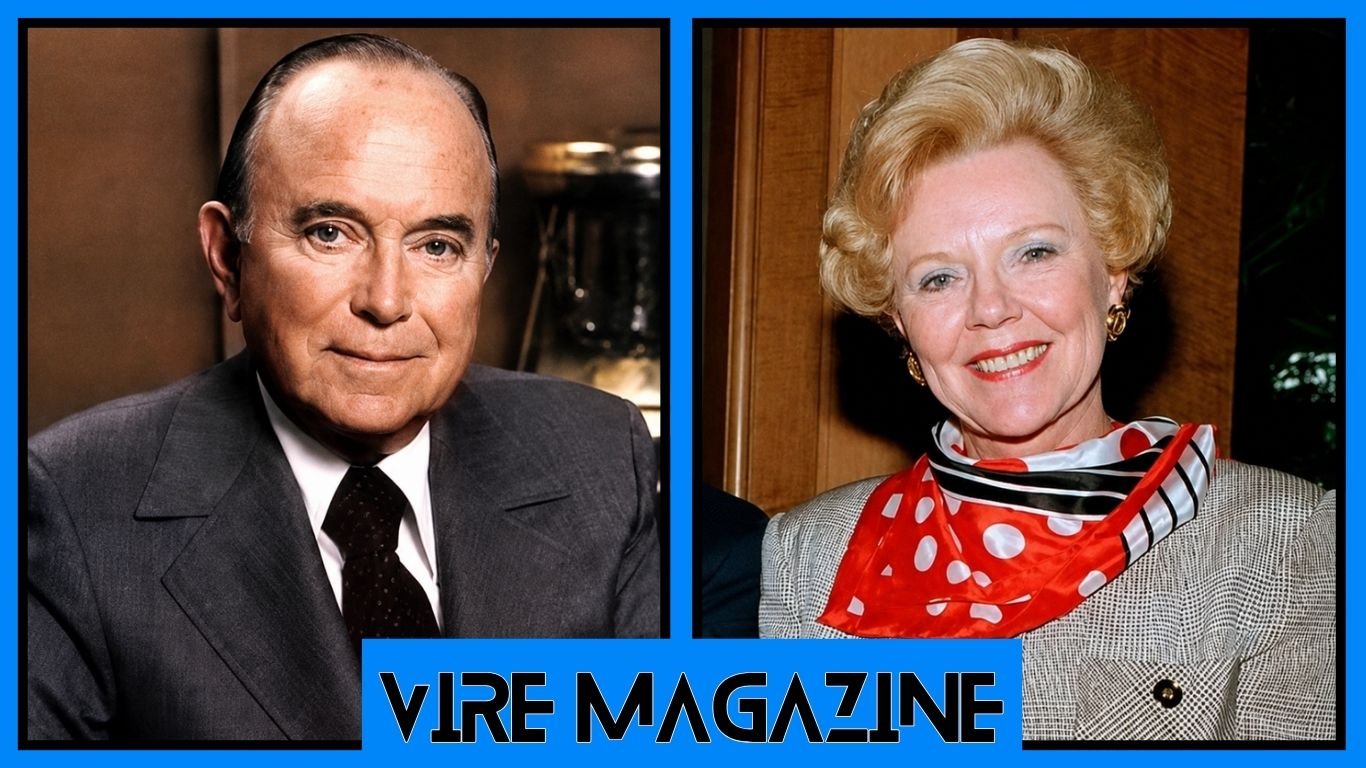
When people explore the empire-building journey of McDonald’s, the narrative surrounding Jane Dobbins Green: The Untold Story of Ray Kroc’s Second Wife often gets overshadowed by corporate deals and fast-food lore. While global audiences know how Ray Kroc transformed a modest California burger stand into an international powerhouse, few realize the personal transformations happening in his home during those pivotal years. Behind the scenes of frantic expansions and boardroom battles stood Jane Dobbins Green, a woman who shared Kroc’s home during one of the most crucial eras in American business history. Exploring her life sheds light on the human side of a global corporate titan during his most transformative decade.
Understanding Jane Dobbins Green: The Untold Story of Ray Kroc’s Second Wife requires looking past the glitz of corporate success to examine a quiet partnership. Unlike today’s high-profile figureheads whose personal lives unfold on social media, Jane maintained a low profile while supporting a man who worked relentlessly to build an iconic brand. Her presence during the mid-1960s coincides directly with the franchise’s meteoric rise across North America. To truly understand the personal life of the man who built McDonald’s, one must look closely at the brief yet impactful chapter he shared with Jane before she slipped back into a quiet, private life.
Introduction: The Hidden Figure in the McDonald’s Empire
The corporate history of McDonald’s is filled with legendary figures, from visionary franchisees to aggressive corporate executives who reshaped the modern fast-food landscape. Yet, when historians retrace the personal path of the company’s legendary builder, Jane Dobbins Green: The Untold Story of Ray Kroc’s Second Wife emerges as an intriguing, often overlooked detail. Public attention typically gravitates toward Kroc’s early struggles with his first wife or the vast philanthropic legacy left by his third. Consequently, Jane’s five-year marriage during the peak of McDonald’s corporate expansion remains a understated detail in the broader history of American business leaders.
Uncovering the details of Jane Dobbins Green: The Untold Story of Ray Kroc’s Second Wife offers a fresh lens through which to view Kroc’s relentless drive during the 1960s. During this time, the franchise moved from a regional success story to an iconic public corporation listed on major stock exchanges. Maintaining a household alongside a partner who worked eighteen-hour days was no small feat, yet Jane managed her role with remarkable grace and understated poise. Studying her place in this era helps complete the picture of a chaotic period, highlighting how personal stability at home provided a foundation for immense corporate ambitions on the road.
Who Was Jane Dobbins Green? Early Life and Background
Long before her name became linked with one of the world’s wealthiest businessmen, Jane Dobbins Green lived a modest life far removed from corporate boardrooms. She worked professionally as a secretary, earning a reputation for being meticulous, soft-spoken, and deeply pragmatic in her daily affairs. Friends and colleagues from her early days remembered her as someone who preferred quiet routines over public attention or dramatic social circles. This grounded nature became her defining characteristic throughout her adult life, even when her husband’s fortunes changed dramatically in the early 1960s.
A Life Kept Away from the Public Eye
Unlike many partners of wealthy corporate executives who embrace the social spotlight, Jane actively chose privacy over public attention. She avoided high-society galas, rarely granted interviews to press reporters, and kept her personal affairs away from national media outlets. Her preference for a quiet life reflected a genuine personal value system rather than mere shyness or social hesitation. This deliberate decision to stay out of the public eye explains why biographical details regarding her birth date, immediate family tree, and early childhood remain largely absent from public archives today.
Jane’s quiet demeanor stood in stark contrast to Ray Kroc’s loud, ambitious, and larger-than-life personality during their time together. While Kroc thrived on public speaking, aggressive salesmanship, and constant networking, Jane served as a private anchor who preferred home life over corporate events. She did not seek personal fame or vanity projects through her husband’s mounting fortune, choosing instead to manage her personal responsibilities privately. This low-profile lifestyle allowed her to preserve her personal dignity both during her high-profile marriage and throughout her life following their eventual split.
Meeting Ray Kroc: A Pivotal Era for McDonald’s
The meeting between Ray Kroc and Jane Dobbins Green occurred during a dramatic turning point in Kroc’s personal and financial life. By 1961, Kroc had finalized a high-stakes $2.7 million buyout of the original McDonald brothers, giving him total control over the brand’s future. However, this business victory brought heavy financial stress and contributed to the end of his thirty-nine-year marriage to his first wife, Ethel Fleming. Enter Jane Dobbins Green, whose calm presence brought a sense of stability during a time of intense personal and professional transition.
The 1960s Fast-Food Boom
The early 1960s marked an era of rapid change for the American fast-food landscape, with McDonald’s leading the way. As Kroc traveled across the country establishing new store locations, he needed a personal foundation to ground his demanding lifestyle. Meeting Jane provided a fresh start, offering him a peaceful home life amid constant corporate expansion and legal negotiations. Their courtship progressed smoothly, anchored by Jane’s steady nature and her ability to offer quiet support as Kroc drove himself toward unprecedented national success.
During this period, Kroc was making decisions that would forever change American dining habits, working long hours to build a national brand. Having a steady partner like Jane allowed him to recharge between long business trips and grueling corporate meetings. Her practical outlook on life offered a refreshing contrast to the high-stakes financial pressures that filled Kroc’s daily work schedule. Their connection deepened during these busy months, paving the way for their formal marriage in 1963 as McDonald’s expanded into hundreds of new communities nationwide.
The 1963 Wedding and Married Life (1963–1968)
In 1963, Jane Dobbins Green and Ray Kroc officially tied the knot in a private ceremony surrounded by close friends and immediate family. The marriage marked the beginning of a five-year period during which McDonald’s grew from a fast-growing restaurant chain into an iconic global brand. As Mrs. Kroc, Jane stepped into a world of expanding financial prosperity, yet she remained remarkably grounded and focused on maintaining a comfortable home. She supported her husband’s intense work ethic without demanding that he slow down his corporate ambitions.
Life Alongside the Fast-Food Mogul
Living with a workaholic mogul like Ray Kroc required immense patience, adaptability, and emotional independence. Between 1963 and 1968, McDonald’s introduced major menu items like the Filet-O-Fish and the Big Mac, opened its 1,000th restaurant location, and made its debut on the New York Stock Exchange. Throughout these historic corporate milestones, Jane provided a quiet, reliable home life that allowed Kroc to focus entirely on building his business. She managed their personal affairs efficiently, ensuring that their home offered a peaceful retreat from constant business pressures.
While Kroc spent endless days on airplanes and in corporate offices, Jane kept their personal life organized and stable. She accompanied him to select corporate functions when necessary, representing the family with quiet dignity without seeking personal attention. However, the relentless demands of Kroc’s career and his singular focus on business expansion naturally put a strain on their personal life. Despite these challenges, Jane remained a gracious and supportive partner throughout their five years together, helping maintain a calm domestic environment during a decade defined by rapid corporate growth.
The Quiet End: Why Ray Kroc and Jane Dobbins Green Divorced
Despite their shared years during McDonald’s growth era, the marriage between Ray Kroc and Jane Dobbins Green began to pull apart in the late 1960s. The primary catalyst was not public scandal or financial disagreement, but rather Kroc’s lingering feelings for another woman, Joan Mansfield Smith. Kroc had met Joan years earlier in 1957 and remained privately captivated by her, despite both of them being married to other people at the time. As the years passed, Kroc realized that his heart remained elsewhere, making a long-term future with Jane increasingly difficult to sustain.
The 1968 Separation
In 1968, Ray Kroc and Jane Dobbins Green officially finalized their divorce after five years of marriage. True to Jane’s private character, the separation was handled quietly through legal channels, avoiding public drama or sensational tabloid headlines. Jane did not seek media attention, write tell-all accounts, or publicly criticize her famous ex-husband following the split. She accepted the divorce settlement gracefully, choosing to walk away with her personal privacy intact while Kroc moved forward with his personal and professional plans.
Shortly after their divorce was finalized, Ray Kroc reconnected with Joan Smith, marrying her in 1969 and remaining with her until his death in 1984. Meanwhile, Jane returned to a quiet, private life far removed from corporate headlines and public scrutiny. The respectful manner in which their divorce was handled reflected Jane’s character and commitment to dignity. The story of Jane Dobbins Green: The Untold Story of Ray Kroc’s Second Wife serves as a reminder that not every partner in a high-profile marriage seeks fame or public recognition.
Why Was Jane Dobbins Green Omitted from The Founder Movie?
When Hollywood released the 2016 biographical drama The Founder starring Michael Keaton as Ray Kroc, moviegoers were treated to a detailed look at the creation of the McDonald’s empire. However, history enthusiasts quickly noticed a major gap in the film’s personal narrative. The screenplay completely skipped Ray Kroc’s five-year marriage to Jane Dobbins Green, moving directly from his first wife, Ethel Fleming, to his third wife, Joan Smith. This creative choice left many viewers unaware that Kroc had ever been married to a second wife during the 1960s.
Hollywood’s Streamlined Storytelling
The decision to omit Jane Dobbins Green from the movie came down to cinematic pacing and story structure rather than personal disrespect. Feature films face strict runtime constraints and must focus on central character arcs to keep audiences engaged. Filmmakers chose to emphasize the dramatic tension between Kroc’s original home life with Ethel and his long-standing romance with Joan. Including a brief five-year intermediate marriage would have added extra narrative complexity without advancing the film’s primary focus on Kroc’s business drive and main romantic interest.
While this storytelling choice made sense for a two-hour movie, it accidentally erased Jane’s historical role from public memory. Millions of viewers left theaters believing Kroc went straight from his first marriage into his third, leaving Jane’s real-life contributions out of the modern conversation. This omission highlights how cinematic adaptations often simplify real history for dramatic effect. Revisiting the true story behind Jane Dobbins Green: The Untold Story of Ray Kroc’s Second Wife helps restore historical accuracy and ensures her place in the story remains recognized by those interested in the full truth.
Life After Kroc: A Complete Return to Privacy
Following her 1968 divorce from Ray Kroc, Jane Dobbins Green stepped completely away from the public spotlight. Unlike many former spouses of wealthy figures who use their past connections to build public careers, Jane chose a life of quiet anonymity. She avoided media interviews, declined book deals, and refused to capitalize on her past connection to the McDonald’s fortune. She quietly built a serene life focused on personal interests, close personal relationships, and private living away from public view.
Leaving the Spotlight Behind
Her choice to live a private life stood in clear contrast to the path taken by Ray Kroc’s third wife, Joan Kroc. Following Ray’s passing in 1984, Joan became one of the most prominent philanthropists in American history, donating hundreds of millions of dollars to educational, artistic, and charitable causes. Jane, by contrast, sought no public legacy, philanthropic fame, or media attention. She was content living simply, away from corporate news, high society functions, and the public spotlight that followed the Kroc family name for decades.
This quiet path highlights Jane’s consistent value system throughout her entire life before, during, and after her marriage to Ray Kroc. She never viewed her time as Mrs. Kroc as a springboard for personal fame or public status. Instead, she treated that period as a brief chapter in a life defined by personal modesty, self-reliance, and quiet dignity. Today, her life after the divorce remains private, leaving behind a legacy of graceful discretion that is rare in today’s media-focused world.
Key Facts Summary: Jane Dobbins Green at a Glance
| Attribute | Historical Details |
| Full Name | Jane Dobbins Green |
| Marriage Partner | Ray Kroc (Founder of McDonald’s Corporation) |
| Years Married | 1963 – 1968 (5 Years) |
| Prior Occupation | Professional Secretary |
| Historical Era | McDonald’s IPO, introduction of the Big Mac & Filet-O-Fish |
| Preceded By | Ethel Fleming (Ray Kroc’s First Wife, m. 1922–1961) |
| Succeeded By | Joan Mansfield Smith (Ray Kroc’s Third Wife, m. 1969–1984) |
| Movie Representation | Omitted from The Founder (2016) for narrative pacing |
| Public Persona | Private, soft-spoken, and intentionally out of the public eye |
FAQs
How does Jane Dobbins Green: The Untold Story of Ray Kroc’s Second Wife fit into Ray Kroc’s overall marital history?
Ray Kroc was married three times during his life. His first marriage was to Ethel Fleming (1922–1961), his second marriage was to Jane Dobbins Green (1963–1968), and his third marriage was to Joan Mansfield Smith (1969–1984). Jane served as the bridge between his early struggles and his later years of immense wealth.
Did Jane Dobbins Green have any children with Ray Kroc during their five-year marriage?
No, Jane Dobbins Green and Ray Kroc did not have any children together during their marriage from 1963 to 1968. Ray Kroc had only one biological child, a daughter named Marilyn Kroc, who was born during his first marriage to Ethel Fleming.
Why is there so little archival information available about Jane Dobbins Green today?
Very little public information exists because Jane intentionally chose to live a quiet life both during and after her marriage. She actively avoided granting press interviews, did not write memoirs, and stayed away from public events, preserving her privacy throughout her lifetime.
Conclusion
Reflecting on Jane Dobbins Green: The Untold Story of Ray Kroc’s Second Wife offers an insightful look into the private life of a business legend. While corporate histories naturally focus on financial growth, store counts, and executive decisions, real life happens in quieter moments at home. Jane provided a steady, peaceful presence during one of the most intense expansion periods in fast-food history. Her influence during the mid-1960s deserves recognition, offering a more complete view of Ray Kroc’s personal journey during his rise to fortune.
Ultimately, Jane Dobbins Green’s story stands as a testament to personal dignity, privacy, and self-respect in a world often obsessed with fame and status. She navigated her marriage to a global corporate figure with grace, supported his ambitions faithfully, and walked away quietly when the relationship reached its natural end. In a historical narrative dominated by loud corporate victories, her quiet chapter serves as a reminder of the soft-spoken people who quietly support major moments behind the scenes.
